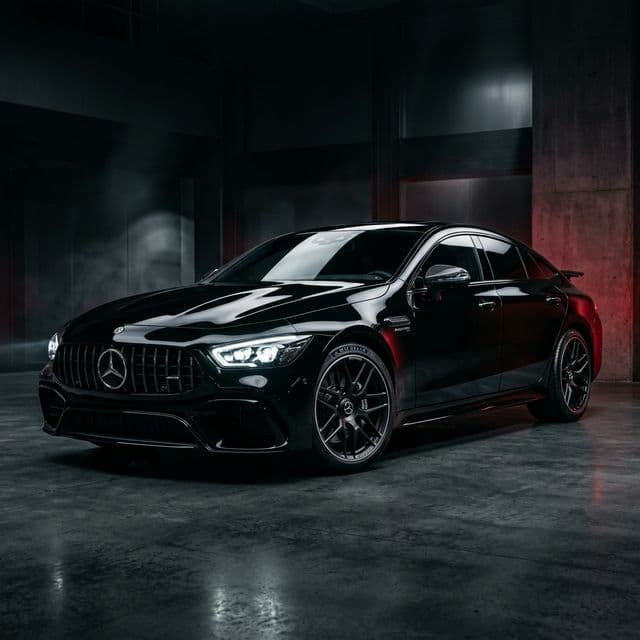
Coloured PPF

Instant Self-Healing PPF: How Heat-Activated Memory Polymers Protect Your Car

Witness scratches disappear in seconds under direct sunlight. Uncover the chemistry of elastomeric cross-linked polymers that make modern PPF virtually indestructible.

Aryan Vora

Aryan Vora

Master Paint Protection Specialist at God of Ceramic

Feb 1, 2025 6 min read
Instant Self-Healing PPF: How Heat-Activated Memory Polymers Protect Your Car

Key Takeaway for Vehicle Owners

Whether you drive a daily luxury saloon or an exotic hypercar, physical stone-chip and UV protection is vital for paint longevity and resale value. God of Ceramic utilizes genuine 10mil TPU film with heat-activated memory polymers.

The Science: Shape-Memory Polymers

Have you ever witnessed someone strike a car bumper with a wire brass brush, only to watch the gouges vanish moments later under a splash of warm water?

This is not magic — it is advanced polymer rheology.

High-grade Paint Protection Film incorporates an outer clearcoat layer formulated with cross-linked polyurethane oligomers. When mechanical force (such as a thorn, coarse wash mitt, or key scrape) drags across the film:

  • The molecular bonds are stretched and displaced, rather than severed.
  • Because the cross-linked lattice has high thermodynamic elasticity, it retains a permanent "spatial memory" of its original cured geometry.

  • What Triggers the Healing Reaction?

    The activation mechanism is thermal energy:

    1Natural Sunlight: In India, vehicle body panels routinely reach 45°C to 65°C on sunny days. Under this ambient warmth, micro-swirls and marring heal spontaneously while parked.
    2Warm Water Rinse: Pouring hot water (50°C to 60°C) over the panel induces instant healing in under 5 seconds.
    3Detailing Heat Guns or Infrared Lamps: Used by professional detailers during maintenance check-ups for deep rejuvenation.

    What Scratches Can and Cannot Heal?

  • Self-Heals: Swirl marks from improper washing, dry microfiber scuffs, scrub marks from bushes, fingernail scuffs around door handles, and minor road abrasion.
  • Will Not Heal: Severe punctures that physically cut through all 10 mils of TPU into the underlying metal panel. However, in such severe cases, the film has successfully prevented catastrophic bare metal damage!

  • Maintaining Optical Clarity Over 10 Years

    Old early-generation PPFs from the 2000s were infamous for turning yellow and cloudy within two years. Why? They used aromatic polyurethanes that degraded under UV sunlight.

    Modern films installed at God of Ceramic use 100% Aliphatic TPU:

  • Completely impervious to solar oxidation
  • Zero yellowing, even on white luxury cars like a Rolls-Royce Phantom or Porsche GT3
  • Optical clarity certified to transmit 99.8% of visible light
  • Frequently Asked Questions

    Do I need a heat gun to heal scratches on my car?

    No! Simply parking your car in natural Indian sunlight on a warm afternoon (30°C to 40°C) is more than enough heat to activate the self-healing top-coat.

    Does the self-healing property wear off after a few years?

    Quality aliphatic TPU films maintain their shape-memory cross-linking for 8 to 10+ years under proper maintenance and washing practices.
    Aryan Vora

    Aryan Vora

    Certified Specialist

    Master Paint Protection Specialist at God of Ceramic

    Specializing in advanced surface preparation, multi-stage paint correction, and custom digital template PPF applications on high-end luxury and supercar marques.

    Recommended Masterclasses

    Coloured PPF

    Coloured PPF vs Vinyl Car Wrap: The Definitive Luxury & Supercar Guide (2025)

    Thinking of transforming your supercar or luxury vehicle’s color? Learn why genuine TPU Coloured PPF beats traditional vinyl in rock chip protection, self-healing, and mirror gloss.

    Read Guide
    Luxury & Supercars

    Rolls-Royce & Exotic Supercars: Why Elite Vehicles Require 10mil TPU Film

    Rolls-Royce applies up to 100 pounds of hand-polished paint to every vehicle. Discover why preserving this bespoke coachwork requires precision-engineered 10mil TPU film.

    Read Guide
    Ceramic Coating

    Ceramic Coating vs PPF: Which Paint Protection Is Right for Indian Conditions?

    Both ceramic coating and PPF offer extraordinary benefits, but they serve fundamentally different purposes. Discover which solution suits your driving lifestyle and vehicle.

    Read Guide
    Book on WhatsApp